
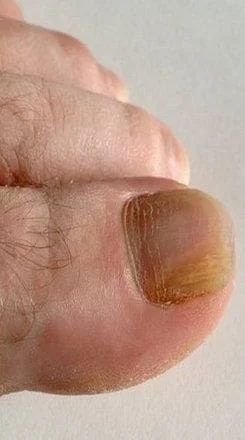
Toenail fungus, medically known as onychomycosis, is a condition that occurs when fungi invade the nail bed, leading to discoloration, thickening, and potentially, the separation of the nail bed from the nail. While toenail fungus is not usually dangerous, it can cause discomfort and embarrassment and may not get better on its own. At the Cleveland, Ohio, practice of Robert T. Portnow, D.P.M., we help patients understand how toenail fungus spreads and provide effective solutions.
Causes of Toenail Fungus
A common way for fungi to get in is through an injury to the nail. Age is another factor, as nails may become more brittle and susceptible to fungal infections as people get older.
Fungi thrive in warm, moist environments, making the feet an ideal breeding ground, especially when wearing tight shoes or damp socks. Poor hygiene can also increase the likelihood of fungal infections. Additionally, health conditions such as diabetes, weakened immune systems, and circulatory issues can make individuals more susceptible to toenail fungus infections.
Symptoms of Toenail Fungus
Recognizing the symptoms of toenail fungus is crucial for early intervention. Common signs include discoloration of the nail, often appearing yellow, brown, or white, as well as thickening of the nail, which can make it difficult to trim. People may also notice that their nails are crumbling or brittle and break easily, or that the nail is separating from the nail bed. A foul odor may also emanate from the affected nail.
Diagnosis of Toenail Fungus
To diagnose toenail fungus, a podiatrist will conduct a thorough examination of the affected nail and surrounding skin. Since there are a few other problems that can cause similar symptoms, a sample of the nail may be taken for laboratory testing to confirm the presence of a fungal infection.
Treatment Options for Toenail Fungus
The Cleveland, Ohio, podiatry practice of Dr. Robert T. Portnow offers different solutions for toenail fungus, depending on the severity of the infection and the individual needs of each patient. Common treatment methods include topical antifungal medications, which are applied directly to the affected nail and surrounding skin. While they can be effective for mild cases, they may take time to show results. For more severe infections, oral antifungal medications may be prescribed. These medications typically require a longer treatment duration but can be more effective for stubborn infections.
Laser therapy is an option that uses targeted laser light to eliminate the fungus without damaging surrounding tissue. This method has the advantage of being faster, although more than one session may be required. In cases where the infection is severe or the nail is significantly damaged, partial or complete removal of the nail may be necessary to allow for proper treatment and healing.
Preventing Toenail Fungus
Preventing toenail fungus from spreading is essential for maintaining healthy feet. It is advisable to avoid walking barefoot in public areas, such as pools or locker rooms. Keeping your feet clean and dry, especially between the toes, will make them less hospitable to fungi. Wearing shoes with good ventilation and moisture-wicking socks can help minimize dampness. Regularly trimming your toenails straight across can also help prevent infections. Additionally, using antifungal powder or spray in your shoes if you are prone to fungal infections can be beneficial.
Get Professional Help to Manage Toenail Fungus
If you suspect you have toenail fungus or are experiencing any related symptoms, it is important to seek professional help from a podiatrist. The sooner you reach out, the easier treatment will be. Schedule a consultation with Dr. Robert T. Portnow in Cleveland, Ohio, by calling (216) 631-6080.