
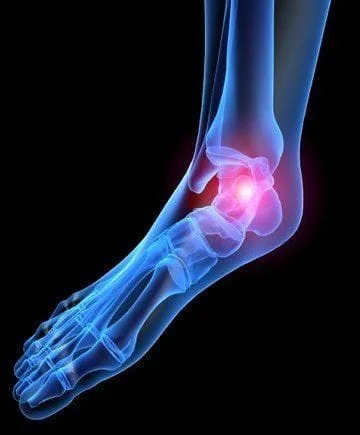
Common Causes of Heel Pain
Several factors can contribute to heel pain, but one of the most prevalent is plantar fasciitis. This condition occurs when the plantar fascia, a thick band of tissue that runs along the bottom of the foot, becomes inflamed. Plantar fasciitis often causes a sharp pain in the heel, particularly with the first steps in the morning or after prolonged periods of sitting.
Another common cause of heel pain is Achilles tendonitis, which involves inflammation of the Achilles tendon, the large tendon that connects the calf muscles to the heel bone. This condition can result from overuse, particularly in athletes. Other potential causes of heel pain include heel spurs, bursitis, and stress fractures. Heel spurs are bony growths that develop on the underside of the heel bone and are often associated with plantar fasciitis. Bursitis, an inflammation of the bursa (a small fluid-filled sac that cushions the heel), can also lead to discomfort. Stress fractures, which are small cracks in the bone caused by repetitive stress, can occur in people who participate in high-impact activities.
Diagnosis of Heel Pain
To understand what is causing your heel pain, Dr. Portnow will examine your foot and ankle. The diagnostic process also includes discussing your medical history, symptoms, and lifestyle. In some cases, imaging tests such as X-rays or MRI scans may be necessary.
Treatment Options for Heel Pain
Dr. Portnow’s Cleveland, Ohio, office provides several treatments for heel pain that can be used depending on its cause, severity, and the patient’s other needs. Conservative treatments are often effective and may include rest and activity modification. Ice therapy can help reduce inflammation and numb pain, while orthotic devices, such as customized shoe inserts, can provide additional support and cushioning to alleviate pressure.
Physical therapy may also be recommended, focusing on stretching and strengthening exercises to improve flexibility and support the muscles and tendons around the heel. Over-the-counter pain relievers, such as ibuprofen or acetaminophen, can help manage pain and reduce inflammation. In more severe cases, additional treatments such as corticosteroid injections or, in rare instances, surgical intervention may be necessary. Dr. Portnow is also a provider of laser therapy, which can help stimulate tissue repair.
Preventing Heel Pain
Preventing heel pain involves adopting healthy habits. Wearing supportive footwear with proper arch support and cushioning is essential. Avoiding high-impact activities without proper conditioning can also help reduce the risk of injury. Regular stretching of the calf muscles and plantar fascia can improve flexibility and reduce tension in the heel.
Visit Your Cleveland, Ohio, Podiatrist for Heel Pain Relief
If you are experiencing heel pain, seeking help from a podiatrist will help you determine the cause and receive appropriate treatment. You can count on Robert T. Portnow, D.P.M., to treat you with compassion and respect while working to help you regain foot function and live without pain. If you’re interested in scheduling a consultation about heel pain or any other podiatric issue, call (216) 631-6080.